Blog

Blog ArchiveHide

2012

Jan | Feb | Mar | Apr | May | Jun | Jul | Aug | Sep | Oct | Nov | Dec

Should I Drink Alkaline Water?

Posted on 2012-04-12 12:33:43

Hi everyone, 


The acid/alkaline balance is controlled by a powerful buffering system largely mediated by calcium channels. Much has been written about cancer and alkalization and it has become a popular belief that cancer cells cannot 

ph balance

grow in an alkaline environment. Let’s try to understand where this information came from and how we can separate truth from fiction; there will be much to benefit as far as health is concerned.


Fiction:


Cancer cannot grow in an alkaline environment. 


Truth:


This is not true. The reason that cancer has an acidic layer that surrounds it is because the rapidly replicating cells are producing a vast amount of waste that cannot be cleared quickly enough by the lymphatic system. This acidic layer then protects the growing cells limiting the Th1 immune cytokines from making an assault. Dr. Tullio Simoncini, the Italian MD who was imprisoned for injecting sodium bicarbonate solution into cancer sites has had some success in breaking down the acidic wall. There are just too many buffering systems to think that alkalization of the stomach can perform the same feat.


You have to understand physiology; pH of the blood will always be maintained at the expense of the tissue. A diet high in carbs, additives, flavorings, chemicals, excitotoxins, etc. tend to acidify the system, NOT because they are acidic in themselves, but because of what the body needs to do to detoxify such garbage. Our bodies do not become alkaline because we drink alkaline water any more than we become acidic because we eat things that have a low pH. Sure, soda pop is acidifying to the system but NOT because it is acidic (it is), it is acidifying because of the increased (and overwhelming) pressure the accumulation of poor food choices has on the liver and cellular organelles.


How do we alkalize the tissue? Is that a goal? Yes and no. Our goal should be to detoxify and stop toxifying the body by getting back to the way we were meant to eat. Vegetables and whole fruit help to bring balance back to the system and are alkalizing to the tissue, NOT because they register higher on the pH scale (lemons are extremely acidic) but because of what they do INSIDE us. They are filled with nutrients and enzymes that aide healing. Understand, I can destroy a carrot by growing it conventionally with fertilizers and pesticides, process it, blanch it, can it and let it store on a grocers shelf for nine months and THINK I’m doing right by eating vegetables, but my carrot side dish may now be equally acidifying to my system as a can of soda. It is both the type and quality of food choices that either brings healing or destruction. 

fruits and vegs


Live, raw, organic food is the best alkalizer. This is why juicing (making your own home-made carrot, apple, celery juice, etc.) is the best. It is a pre-digested bundle of nutrition that alkalizes your tissue. It also carries an abundant amount of enzymes that assist the breakdown of the acidic ‘slime’ layer of cancer.


Fiction:


Drinking alkaline water will help. 


Truth:


I am firmly against drinking alkaline water in an attempt to alkalize the tissue. First, it can contribute to the hypochlorhydria that has set-up your ill health in the first place. Hypochlorhydria is probably the most common health problem in the modern world and is characterized as a decreased stomach acid production largely caused by the chemicals in food that have irritated the stomach’s acid producing cells. Symptoms include increased gas, GERD, reflux, upset stomach, etc., and most people treat the symptoms with antacids, Prilosec, Tagamet or Rolaids. These medications will relieve the symptoms but are exactly what NOT to do. People with decreased 

heartburn

stomach acid are not able to digest their food and it sits in the stomach longer, causing upset, fermentation of carbohydrates, and possible regurgitating what little acid is there up through the esophagus causing reflux. Again, you can negate the symptoms by using antacids or you can fix the problem by adding digestive enzymes and HCl (in supplement form) to the diet with each meal until the stomach cells heal enough to take over their responsibility.


There are several other reasons I do not recommend alkalizing your water, but will comment on just one more. Several recent studies in JAMA have pointed out that subclinical, undiagnosed H. Pylori infections are far more common that otherwise thought. One study stated that nearly 50% of the world’s population suffers from an undiagnosed H. Pylori infection. H. Pylori can be responsible for ulcers but can also infiltrate the epithelial tissue to cause autoimmune inflammation of the cardiovascular tissue and even sinusitis and Rosacea. 


Alkalizing a stomach that is meant to give the individual a first-line defense against pathogens, maintain a pH of about 1.5 to digest food, and quickly do its job to move bolus through the system seems counterproductive.

Hope that helps to explain a few things!

Yours in good health,

Dr. Susan Kelenyi 

Be the first to leave a comment!

Nitric Oxide Modulation for Autoimmune Disease

Posted on 2012-03-28 14:40:16

In the book, Why Do I Still Have Thyroid Symptoms, Dr. Kharrazian introduced the concepts of TH-1 and TH-2 and their role in autoimmune diseases, such as Hashimoto’s. It turns out another key player in the autoimmune scenario is TH-17, and that we can work with nitric oxide and glutathione   to tame autoimmune destruction caused by TH-17.

TH-17: The new kid on the block

There are many TH (again, TH means T helper cell) players actually, but TH-17 is one worth turning the spotlight on for a moment.

When the immune system triggers an autoimmune response, the autoimmune reaction expresses predominantly through either the TH-1 or TH-2 system.

When activated, the TH-1 and TH-2 systems release cytokines, or immune messenger cells, called IL-17. These cytokines in turn promote tissue destruction at the site of the autoimmune attacks, which for our purposes is the thyroid gland.

TH-17 cells are a fairly recent discovery, and believed to be connected with autoimmune destruction when found in abundance. TH-17 is the system that adds fuel to the autoimmune fire and determines the severity of tissue destruction.

It’s important to understand that TH-17 isn’t all bad—it also plays an anti-microbial role in the body’s mucous linings, preventing infection from microbes such as candida or staphylococcus. But when it comes to the immune system, too much of a good thing ends up creating an imbalance with bad results.[1]

Using nitric oxide to modulate autoimmune activity

IL-17 does its dirty work of destroying tissue by activating a compound called inducible nitric oxide.

Nitric oxide is a gas in the body that acts as a signaling compound, triggering things to happen. It plays a role in many normal physiological processes, but also in disease. There are three forms of nitric oxide, two of which are beneficial, and one of which is destructive.

Exercise enthusiasts take an amino acid supplement called arginine to boost nitric oxide, as the beneficial forms of nitric oxide promote blood flow and the dilation of blood vessels. Bodybuilders like this because increasing blood flow to their muscles enables them to lift heavier weights, work out longer, and recover faster, thus building more muscle. Good nitric oxide activity has also been shown to lower the risk of cardiovascular disease. [2]

The good and the bad of nitric oxide

Unfortunately, arginine may also increase a very pro-inflammatory and damaging form of nitric oxide calledinducible nitric oxide.

Researchers have found that when an autoimmune reaction creates a surge in TH-17 activity, it stimulates an enzyme called inducible nitric oxide synthase (iNOS) to produce more inducible nitric oxide. When TH-17 goes up, iNOS goes up, and inducible nitric oxide sets about destroying body tissue, such as the thyroid gland, erroneously targeted by the dysregulated immune system.[3] [4] [5]

In other words, TH-17 gives the orders to attack, but inducible nitric oxide is the perpetrator that carries out the dirty work. Unfortunately, people who take arginine may be subjecting themselves to unnecessary increases in iNOS activity, and hence more inflammation.

Like TH-17, iNOS isn’t all bad. It’s pro-inflammatory role comes in handy to combat viruses, bacteria, and other pathogens.[6] But the health imbalances that lead to autoimmune disease are the same ones that over stimulate the production of iNOS that destroy body tissue.[7]

We can test TH-17 levels just as we can test for TH-1 and TH-2. This is helpful because if a lab panel shows TH-17 cytokines to be elevated, this tells us tissue is actively being destroyed and it’s vital to quench that process.

The good news and the bad news about nitric oxide

Body builders who take arginine think nitric oxide is good. A practitioner seeking to tame the destruction of an autoimmune process may look upon nitric oxide as bad. Which is it? It depends on the form of nitric oxide the body is producing.

So far I have talked about inducible nitric oxide, which a TH-1 or TH-2 triggered autoimmune attack activates via TH-17 to destroy tissue. For people experiencing autoimmune flare-ups, this system is in overdrive.

However, we can combat this destruction by activating the two beneficial forms (technically called isomers) of nitric oxide called endothelial nitric oxide and neuronal nitric oxide.

Endothelial nitric oxide

Endothelial nitric oxide is found in the lining of blood vessels. It aids in tissue recovery and regeneration, enhances blood flow, dissolves plaques, and dilates blood vessels. One thing that dramatically activates endothelial nitric oxide is exercise. When you exercise, the increase in blood flow turns on the endothelial nitric oxide system, which helps dissolve plaque in the arteries.

Unfortunately, autoimmune disease often compromises this system, thus hindering the delivery of blood to body tissue.[8] This not only makes body tissue, such as the thyroid gland, more vulnerable to inflammation and destruction, but it also makes it more difficult for these tissues to recover and heal.

A weak endothelial nitric oxide system helps explain cold hands and feet, the loss of hair, weak nails prone to fungal infections, and other symptoms frequently found in conjunction with autoimmune diseases.

Poor blood flow robs the brain of blood, and hence oxygen and nutrients, and brain function deteriorates.

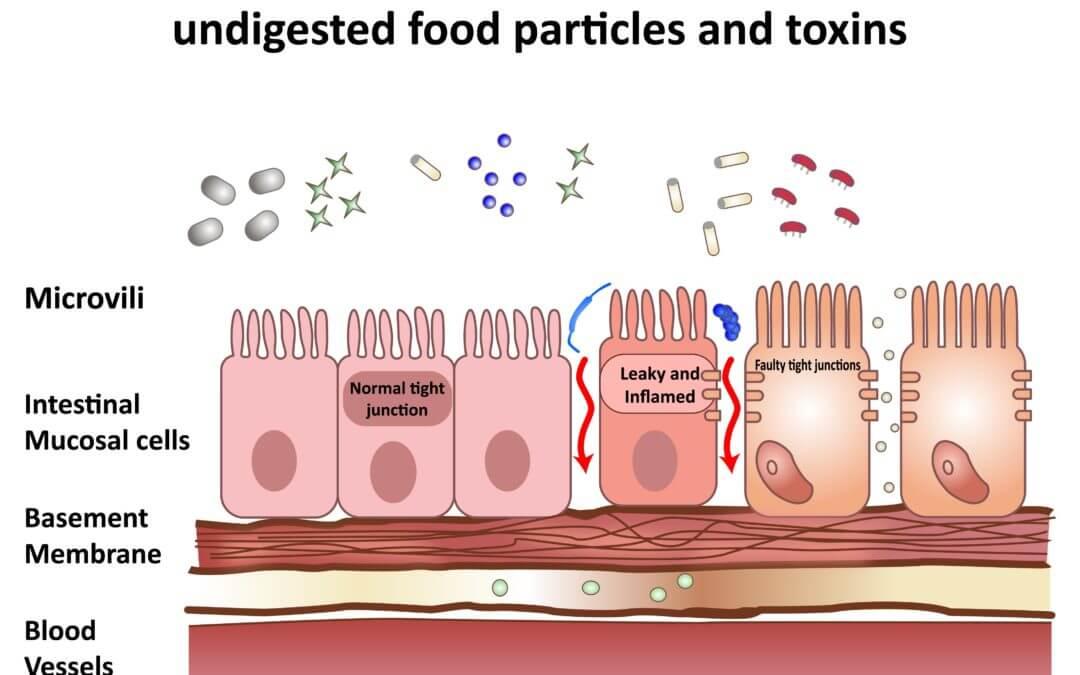
Poor blood flow to the digestive tract is one cause of leaky gut and poor gut function. Coupled with inflammation and poor glutathione activity, the person with a chronically activated autoimmune disease can never seem to repair her gut. This is why a strict autoimmune diet to protect the gut is necessary in these cases.

Overall, the research shows endothelial nitric oxide plays a big role in preventing and taming autoimmune disease, due to its inhibition of over activity of both the TH-1 and TH-2 systems.

Neuronal nitric oxide

Neuronal nitric oxide acts on the brain and nervous system, enhancing the ability of the brain and nervous system to adapt to change, communicate between neurons, and recover. Because good brain health is vital to absolutely every organ and system in the body, we want neuronal nitric oxide levels to be sufficient and active.

How to boost the good nitric oxide and dampen the bad

So we know endothelial nitric oxide helps tame the autoimmune response and aids in tissue recovery. We know we have a “bad” nitric oxide, inducible nitric oxide, which is over active during TH-17-stimulated autoimmune attacks. We also know that taking arginine is not desirable, because although it might boost endothelial and neuronal nitric oxide, it may also boost the destructive inducible nitric oxide. These are the facts I considered as a practitioner when I began exploring these mechanisms and how to further help my autoimmune patients.

The clinical goal is to modulate the TH-1, TH-2, TH-3, and TH-17 systems (by modulate, I mean influence them to behave appropriately), increase endothelial nitric oxide, and dampen the inducible nitric oxide response.

Eventually, after my ongoing review of the research and clinical experience, it became apparent glutathione pathway integrity and nitric oxide modulation (boosting the good and dampening the harmful) offered profound responses.

Nutritional compounds for nitric oxide modulation

Through reading published studies, a variety of nutritional compounds have been shown to boost endothelial nitric oxide without also boosting the pro-inflammatory inducible nitric oxide. I use these nutrients together as I find they have the best effects when working synergistically:

  • Adenosine
  • Huperzine A
  • Vinpocetine
  • Alpha Glycerylphosphorylcholine (Alpha GPC)
  • Xanthinol niacinate
  • L-Acetylcarnitine

In my practice the use of these compounds together in an emulsified liquid formula has had profound effects in managing some of my most severe autoimmune cases, and, together with glutathione recycling, has been an exciting discovery for me as a practitioner.

For the best results take these compounds before exercise, even if it’s a walk around the block. Exercise will get the blood flowing and enhance the effects of the endothelial and neuronal nitric oxide activation.

Glutathione recycling and nitric oxide modulation—a beautiful partnership

A nitric oxide modulating and glutathione recycling approach is now available and I use such an approach in my practice.

The nice thing about supporting glutathione recyclying and nitric oxide is that it doesn’t matter whether you are TH-1 or TH-2 dominant.

I find these approaches have been successful with my very fragile patients who react to so many foods and supplements and can’t handle the TH-1 or TH-2 stimulating compounds.


[1] van de Veerdonk FL, Gresnigt MS, Kullberg BJ, van der Meer JW, Joosten LA, Netea MG. Th17 responses and host defense against microorganisms: an overview. BMB Reports. 2009;42 (12):776-87.

[2] Machha A, and AN Schechter. Dietary nitrite and nitrate: a review of potential mechanisms of cardiovascular benefits. European Journal of Nutrition. 2011;50 (5):293-303.

[3] Tang Y, Forsyth CB, Farhadi A, Rangan J, Jakate S, Shaikh M, Banan A, Fields JZ, Keshavarzian A. Nitric oxide-mediated intestinal injury is required for alcohol-induced gut leakiness and liver damage. Alcohol Clin Exp Res. 2009 Jul;33(7):1220-30. Epub 2009 Apr 9.

[4] Shin TS, BJ Lee, YM Tae, YS Kim, SG Jeon, YS Gho, DC Choi, and YK Kim. 2010. Role of inducible nitric oxide synthase on the development of virus-associated asthma exacerbation which is dependent on Th1 and Th17 cell responses. Experimental & Molecular Medicine. 2010; 42 (10):721-30.

[5] Tokura Y, T Mori, and R Hino. Psoriasis and other Th17-mediated skin diseases. Journal of UOEH. 2010; 32 (4):317-28.

[6] Muhl H, M Bachmann, and J Pfeilschifter. Inducible NO synthase and antibacterial host defence in times of Th17/Th22/T22 immunity. Cellular Microbiology. 2011;13 (3):340-8.

[7] Wahl SM, McCartney-Francis N, Chan J, Dionne R, Ta L, Orenstein JM. Nitric oxide in experimental joint inflammation. Benefit or detriment? Cells Tissues Organs. 2003;174(1-2):26-33.

[8] Taddei S, N Caraccio, A Virdis, A Dardano, D Versari, L Ghiadoni, E Ferrannini, A Salvetti, and F Monzani. Low-grade systemic inflammation causes endothelial dysfunction in patients with Hashimoto’s thyroiditis. The Journal of Clinical Endocrinology and Metabolism. 2006; 91 (12):5076-82.


Be the first to leave a comment!

Hair Loss Getting You Down?

Posted on 2012-02-07 07:44:21

One of my patients wanted me to look at her cholesterol results.

Her doctor told her they were concerning.

But I ended up finding something that was much more concerning to me, and to her.

In examining her, I parted her hair to look at her scalp. I saw a problem I see much more often than I used to. She had very thin, sparse hair with a bald scalp that would remind you of an elder male.

She was embarrassed to admit it, but she had been using hair spray and products that are designed to disguise balding in men – like that paint stuff – for years. And she never thought there was anything she could do about it, so she never mentioned it to me.

Fortunately, you can stop this from happening to you.

I used to see this kind of thing rarely, but now I’m seeing it all the time.

Today, I’m going to show you how to do two things so you can keep a full head of thick shiny hair. It starts with a modern epidemic that’s going on – an epidemic of too much estrogen. You’re getting it in your food, and from chemicals in the environment which act like estrogen when they get into your body.

What this does is cause a “feedback inhibition” in your hormone system. It causes you to produce less follicle stimulating hormone (FSH) and luteinizing hormone (LH). They normally stimulate the ovaries to produce both estrogen and progesterone.

Your estrogen is going to be fine, but that decreased production of FSH and LH cause a decrease in progesterone. It has no dietary source, so it then becomes very low.

Here’s where the problems for your hair begin.

Progesterone’s normal role is to give you your sexual features like an hourglass figure, but it also binds to the same receptors as testosterone. It normally blocks the effect of testosterone so it won’t cause masculinization.

When you don’t have progesterone, the testosterone can take its place. So what we have today is a whole generation of women who are getting unwanted facial hair, and they’re getting hair loss in a male pattern from the effect of testosterone, which turns into the hair-blocking hormone DHT.

Normally a woman doesn’t have much DHT because it’s blocked by the progesterone. But with all the estrogen women are getting, progesterone plummets and you have hair loss.

The solution is to stimulate your scalp for healthy blood flow, and block the bad guy that may keep your hair from growing.

The bad guy is DHT (dihydrotestosterone). As DHT forms in your body when you have too much estrogen, it collects in the sebum gland in the scalp and starts to attack your hair follicles. Your strands can shrink and eventually fall out.

So stopping DHT is one effective way to help your hair. But it’s only the first part of hair health. There are also a few other little-known but direct and dynamic ways to get shiny hair that has luster and thickness. You can use them to:

  • Stimulate your scalp – Brush your hair with a natural bristle brush gently to simulate your scalp.

  • Enhance thickness – You might think of ginseng as just a feel-good herb, and it is. But when you use it in your hair, it also increases scalp stimulation in a way that gives you healthy hair depth and keeps each strand thick and strong.1

  • Keep a full mane – Testing your overall hormone levels and correcting imbalances is a start.  This takes time and most likely requires life style changes too.

  • Rescue your hair – Good digestion of proteins, proper protein intake and here's the key, proper absorption are required.  So proper testing for gust issues may be warranted.  Proteins (aka amino acids) are the building blocks of hair structure, so it’s essential to feed your hair with the ones that help the most.  A good hair stylist may be able to recommend a quality product for your hair.

  • Deliver the nutrients – B-vitamins are essential to grow healthy hair and nails, but it’s not easy to get enough from food. Two in particular, biotin and niacinimide, get used up growing and building healthy hair, so it’s important to replace them each day. We can test for these deficiencies and help to correct imbalances.

  • Improve hair growth – B-vitamins perform a dual function for your hair if you use zinc,  they team up to give hair follicles and your scalp with energy and strengthening. Without enough zinc, your hair shafts get weakened, causing hair breakage and very slow re-growth. They work together to decelerate hair loss and improve hair growth.  How can we know?  Test for nutritional deficiencies, using specialized testing. 

  • Promote that shine – I don’t recommend eating soy as many folks have food allergies and or eat genetically modified soy, but it turns out to have great benefit for your hair. (And yes we can test for soy sensitiivites too) Hydrolyzed soy protein can give you shinier, thicker hair that stays moisturized. Again seek out  recommendations from a good hair stylist.

Unfortunately, pattern hair loss is very severe in the women I see. To where if I part the hair, I see bare scalp.

Then they tend to use a lot of cosmetic things to try to hide it...

Unfortunately, there is no quick fix as many chronic degenerative disease, such as hypothyroidism, can affect hair loss.  Low thyroid hormones can cause digestion issues, hormone imbalances and many other health problems

that can contribute to hair loss.  Doing the proper tests is one way to find the problems, and then work toward addressing them naturally in most cases. An additional thing to do is find good hair styling products that promote protein support for your existing hair.

 Yours in good health,

Dr. Susan Kelenyi


Be the first to leave a comment!

Does Milk Strengthen or Weaken Bones?

Posted on 2012-01-24 08:06:39

Do we need to take a calcium supplement or is milk enough?

We see advertisements that milk strengthens our bones and teeth. This does seem logical since milk has 300 mg per cup of calcium in it. The problem is milk has an acidifying effect on the body that robs us of our calcium stores. The acid-alkaline balance is critical to maintaining health. We have a tendency in our Western Culture to eat and drink way too many acidifying foods like milk, breads and meats. We also drink carbonated beverages that not only have incredible amounts of sugar or artificial sweeteners but phosphorylating agents that help to neutralize the carbonic acid to give you the fizz. These phosphorylating agents also rob us of our calcium stores.

You can consider milk and carbonated beverages to be bone thieves. If you remove the calcium from the bone to neutralize the acidity you caused through diet, you remove the integrity of the bone itself. Also remember that many people have intolerances to milk, including lactose intolerances. Cow’s milk is highly treated to get rid of bacteria by heating. This destroys the enzymes that make it digestible in the first place. This also makes it a mucus former in the body.

Let’s go back and take a deeper look at calcium itself. It is a potent neutralizer of acids and that is why the body pulls it out of the bone to neutralize acidic foods. It is also why it is a main ingredient in many antacid formulas people buy OTC (over the counter) or in prescription drugs.

Milk, pop and other acidifying foods cause a fire to rage in the body. Calcium is one of the fire-fighting agents your body's natural defenses use to put out the fire. Your body jumps into action and uses calcium to put out the acidic attack. The end result is, even though milk contains calcium, the net result is a calcium deficiency in your bones.

If you are drinking green drinks, you are alkalizing your body for better health. Stress is also a major acidifier. Find a high quality organic, low processed green drink or if you are a patient, I can recommend on specifically for you. Green protein drinks can be incredible alkalinizing drink with a combination of healthful diet. If you use, almond, rice, soy, or other “milks” make sure to check if they are labeled gluten free, as some are not.

We supplement calcium with a comprehensive wide spectrum bone builder with microcrystalline hydroxyapatite, Ipriflavone, calcium, magnesium, manganese, boron, zinc, vitamin D, wild yam and horsetail. We recommend Vitamin D in its several dosages. All these elements are needed for strong bones.

Good dietary habits are necessary to maintain health and wellness. For many, supplementation is critical to keep the body in balance in this day and age of stress and toxic exposure.

Be the first to leave a comment!